September 16, 2026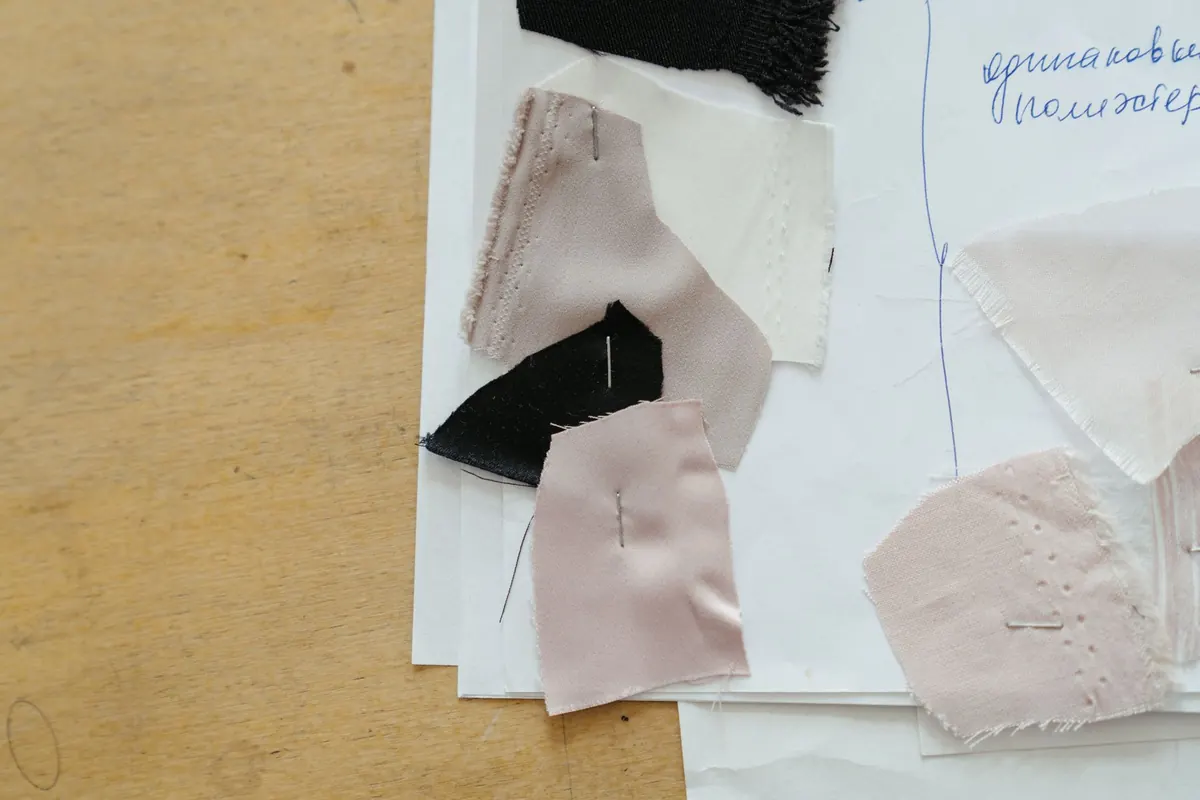
A cushion cover is one of the first projects most people attempt at a sewing machine, and one of the last they feel completely happy with. The pattern is rarely the problem. More often than not, the disappointment comes down to cloth: a lightweight print that sagged after a month, a linen that frayed away inside the seam, or a beautiful wool that came out of the wash the size of a tea towel. Choosing the fabric before you settle on the design saves a great deal of unpicking.
What follows is a practical comparison of the four families of fabric you are most likely to reach for — cotton, linen, wool and upholstery weight cloth — with notes on how each behaves under the needle and how to keep it looking well in a normal, busy home.
Start with the job the cushion has to do
Before fibre, think about function. A cushion that lives on a spare bed and is admired from a distance has very different demands from one that gets leaned on every evening by two adults and a Labrador. Ask yourself three questions.
Where will it sit? Sofa and bench cushions take weight and friction, so they need a tighter weave and a bit more body. Bed and chair cushions can be lighter and more decorative. How often will the cover be washed? Anything on a kitchen bench, a child's bed or a pet's favourite chair should survive a machine cycle without losing shape or colour. And who else is in the house? Loose weaves, looped textures and long piles are magnets for claws and snagging; a flat, closely woven cloth is the safer bet.
Answer those honestly and you will usually find the choice narrows itself to one or two options.
Cotton: the dependable all-rounder
Cotton is where most cushion projects should start. It is stable, easy to cut, forgiving to press and widely available in an enormous range of colours and prints. The main variable is weight.
Quilting cotton, at the lighter end, is ideal for decorative cushions, envelope backs, piping and appliqué. It creases readily and frays, so finish seam allowances with a zigzag or overlocker, or use French seams on anything unlined. Cotton drill, canvas and duck are heavier, hold their shape well and take the knocks of everyday use. A mid-weight drill is my default recommendation for a cushion that will actually be sat against.
Sewing cotton is straightforward: a universal or sharp needle, a standard polyester thread and a 2.5 mm stitch length will handle most of it. Wash at 30°C on a normal cycle, and pre-wash before you cut, because cotton can shrink by a few per cent on its first hot wash. Once pre-shrunk, most cottons tolerate a cool tumble dry, though line drying keeps colours brighter for longer.
Linen: texture that softens with age
Linen brings a relaxed, slightly rumpled character that no print quite imitates. It is stronger than cotton when wet, breathes beautifully and improves with washing. It also creases the moment you look at it, which is either the whole point or a deal-breaker.
Treat linen with a little more respect at the machine. It frays enthusiastically, so overlock or French-seam every raw edge. Use a sharp needle and a slightly longer stitch, and avoid pulling the fabric as you sew — linen has little give on the straight grain but distorts easily on the bias. Press on the wrong side with steam.
Always wash linen before cutting; shrinkage and softening both happen in that first wash. A cotton-linen blend is a sensible compromise for cushions in daily use: it keeps much of the texture while creasing far less. Wash at 30–40°C, dry flat or line dry, and accept the creases or iron while slightly damp.
Wool and wool blends: warmth, structure and a little caution
Woollen cloth — tweed, melton, blanket wool, upholstery-weight wool — gives a cushion real presence. It holds its shape, resists creasing, feels substantial and suits autumn and winter rooms particularly well.
The caution is care. Wool felts and shrinks when it meets hot water and agitation, and it dislikes biological detergents. If a cushion cover is likely to be washed often, wool is the wrong choice. Where it is used, hand wash cool with a non-bio detergent, or dry clean, and dry flat away from direct heat. Store clean wool in a sealed bag or cotton pillowcase to keep moths away.
At the machine, use a 90/14 or 100/16 needle and a 3 mm stitch. Wool has bulk, so grade seam allowances to reduce lumpy corners, and consider lining the cover with a lightweight cotton cambric — it stops the wool stretching out of shape and keeps the cushion from feeling prickly.
Upholstery fabrics: velvet, chenille, bouclé and corduroy
Upholstery cloth is woven for abrasion, which makes it excellent for cushions that take punishment. It is also the most demanding to sew. If you are buying new, the supplier's abrasion rating will tell you more about durability than any description of the handle.
- Velvet — cotton velvet is hardwearing and rich in colour; viscose velvet marks and crushes easily. Cut all pieces with the pile running the same way.
- Chenille — soft and dense, but it can shed and show every handprint. Best in a mid-tone or pattern that hides marks.
- Bouclé — beautiful loops, endless snagging. Avoid in homes with cats, and treat raw edges gently to stop the loops pulling out.
- Corduroy — hardwearing and easy to sew, provided you respect the nap. A wide wale reads better on a cushion than a fine needlecord.
For all of these, a walking foot helps feed thick layers evenly, and a longer stitch prevents the seam puckering. Grade and clip your seam allowances, and press pile fabrics on a towel rather than an ironing board so you do not flatten the surface.
Washing and care in a UK home
A few general rules cover most cushions. Pre-wash everything before you cut, and test a 15 cm square at the temperature you intend to use, so any shrinkage happens before the seams are sewn. Wash covers at 30°C on a gentle cycle, inside out, with zips closed. Use a non-bio detergent for wool and other protein fibres, and skip fabric conditioner on anything absorbent.
Line dry or dry flat in the shade. Tumble drying is the usual cause of shrunken covers and faded colours. Add a colour catcher to the first few washes of any deep or saturated dye. Iron according to fibre: warm for cotton, steam for linen, low with a cloth for wool, and never directly on velvet. If you buy upholstery fabric by the metre, follow the maker's cleaning instructions. Keeping two covers per cushion means one can be in the wash while the other is in use.
Making the decision
If you take nothing else away, take this: match the fabric to the wash cycle, not to the mood board. A mid-weight cotton drill or a cotton-linen blend with a concealed zip will handle almost anything a family home throws at it. Once those practical cushions are sorted, indulge in one wool tweed or heavy velvet for the chair nobody actually sits on. Buy an extra half metre, wash it, and see how it behaves before you commit the good scissors to it.
Photo: cottonbro studio / Pexels